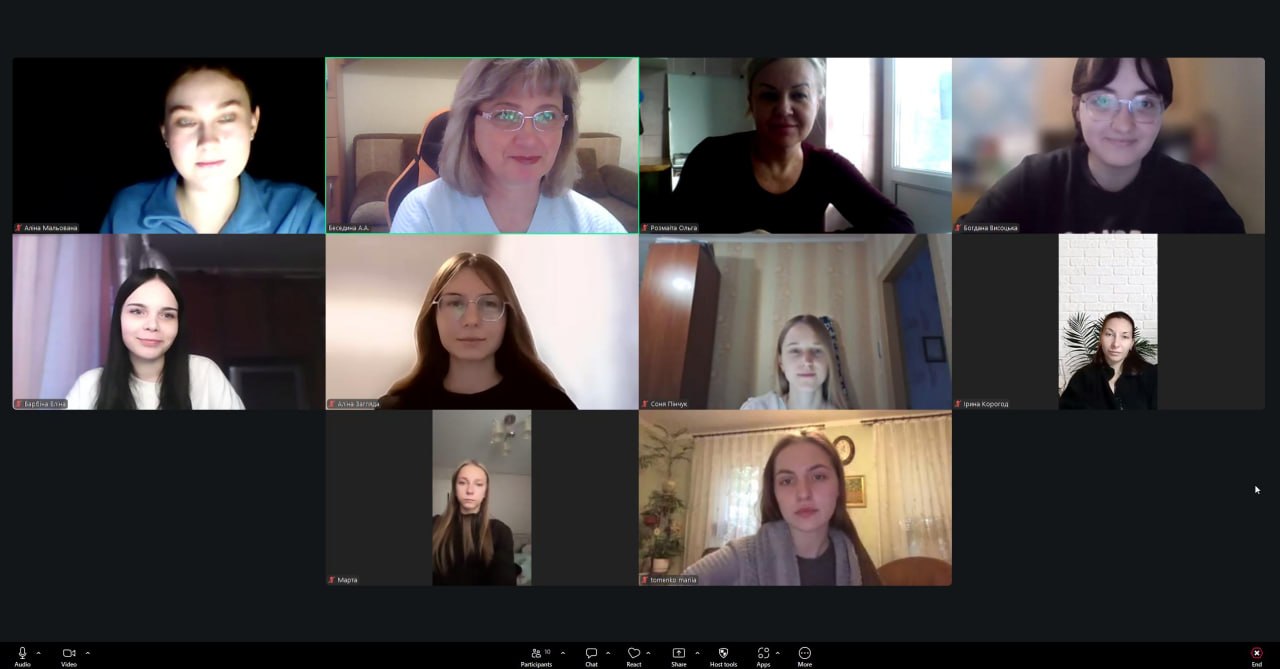
On 19 October 2026, the Department of Physiology and Pathophysiology with a Course in Medical Biology held a meeting of the student–school pupil association “Young Biologists’ Workshop,” led by Associate Professor Antonina Besiedina.
The meeting focused on the topic “Immunity and Health: How to Maintain the Body’s Defences During Studies. Immunological Discoveries That Changed Medicine.”
The event brought together students enrolled in Medicine and Dentistry programmes, as well as pupils from Municipal Institution Lyceums No. 24 and No. 33.
“Immunity and Health” is a particularly relevant field of modern biomedicine, encompassing the mechanisms of immune system function, the development of immune responses, the interaction between the body and pathogens, and the role of immunity in protecting and maintaining human health. The topic also aligns with one of the United Nations Sustainable Development Goals: “Good Health and Well-Being.”
The meeting explored current scientific understanding of the neuroimmune mechanisms underlying immune system development, the regulation of immune responses, and immunological tolerance. Participants also examined the role of nutrients in supporting the body’s immune defences, discussed key research areas ranging from the skin barrier to the microbiome and immunomodulation, and learned about new developments and opportunities in modern immunology.
The students presented their own research papers:
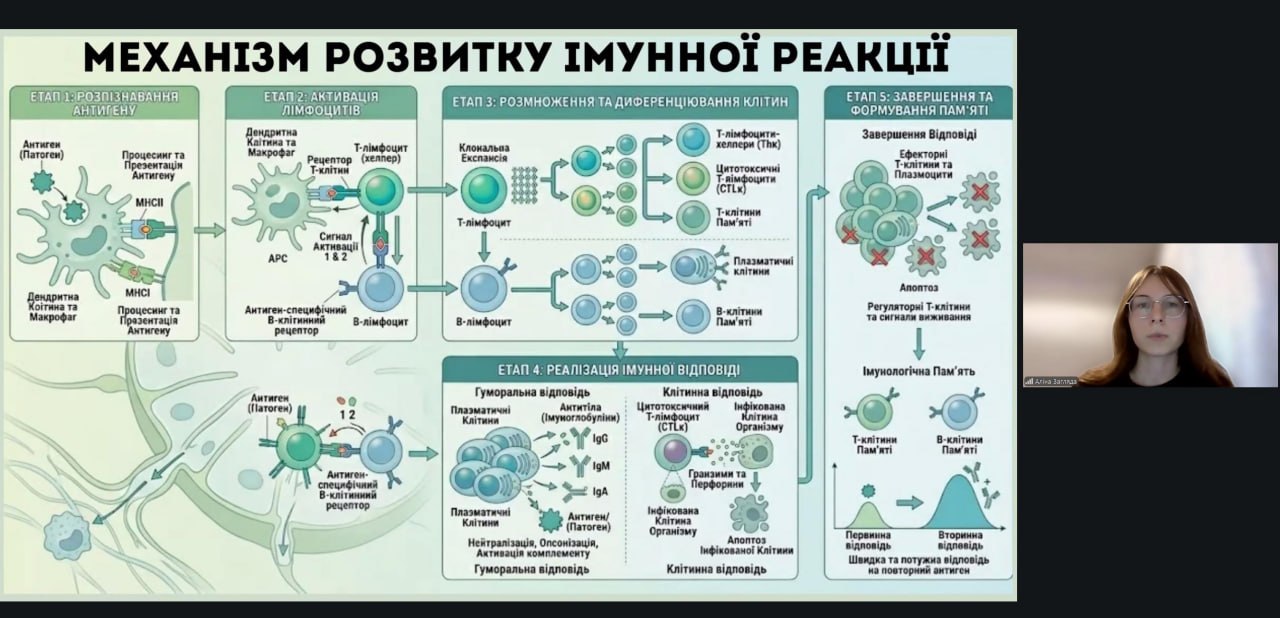
- Alina Zahliada(MC.m-306) – “Immunity and Its Types: Mechanisms of Immune Responses.”
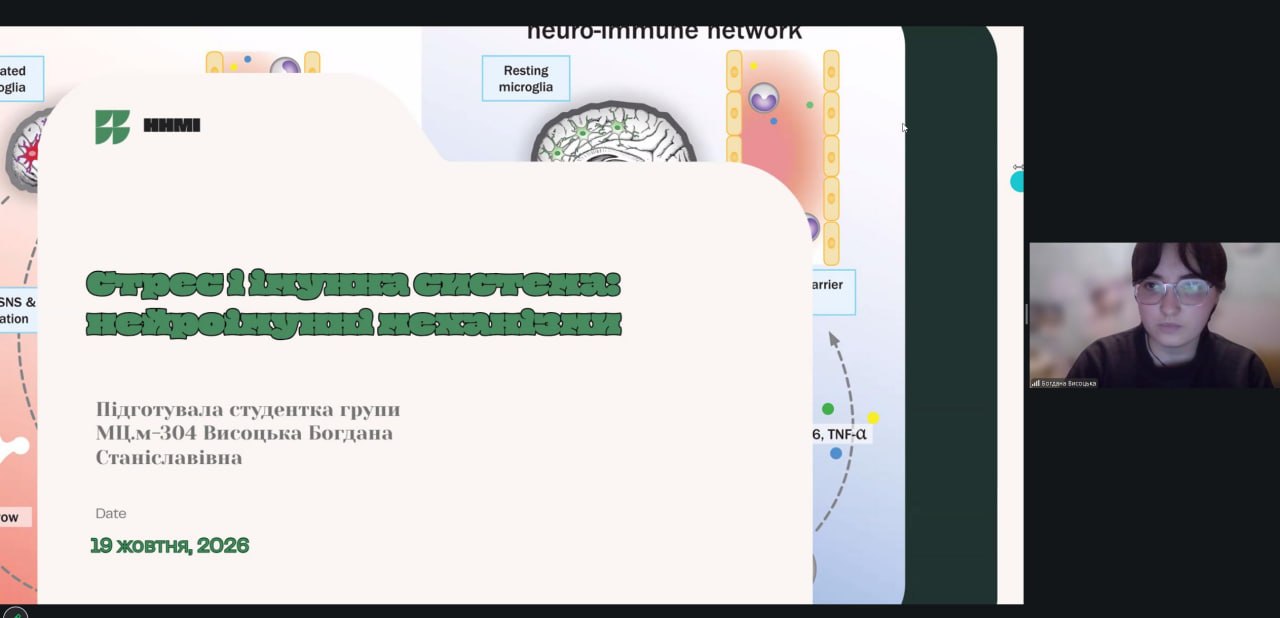
- Bohdana Vysotska(MC.m-304) – “Stress and the Immune System: Neuroimmune Mechanisms.”
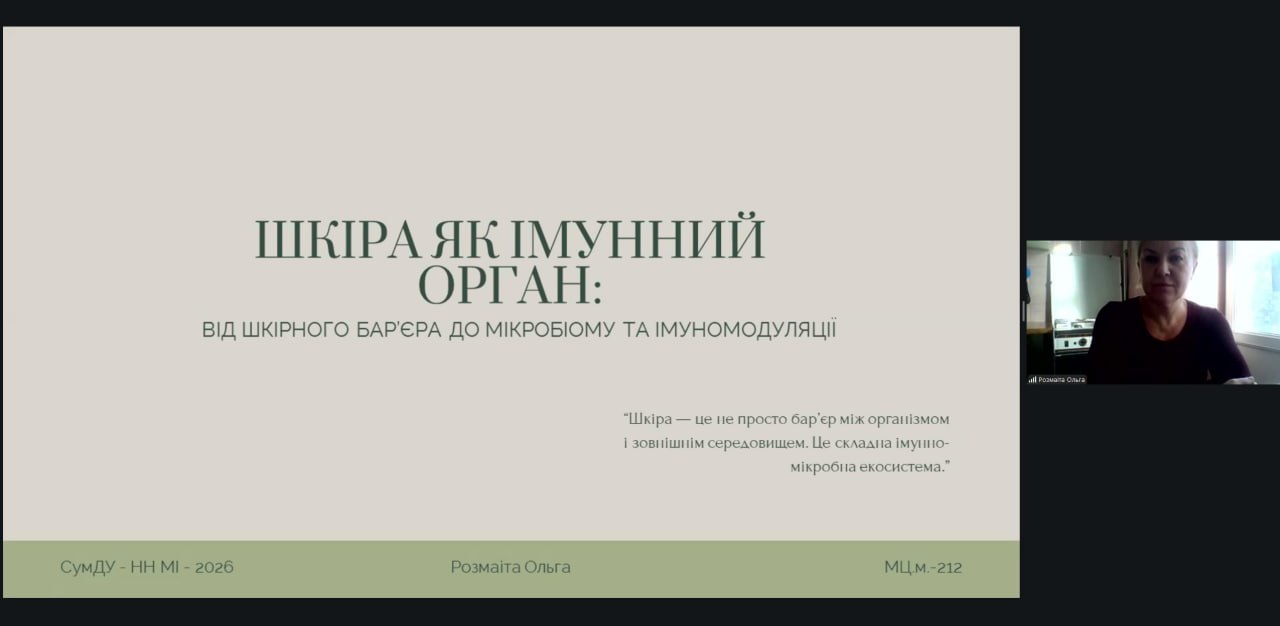
- Olha Rozmaita(MC-212) – “The Skin as an Immune Organ: From the Skin Barrier to the Microbiome and Immunomodulation.”
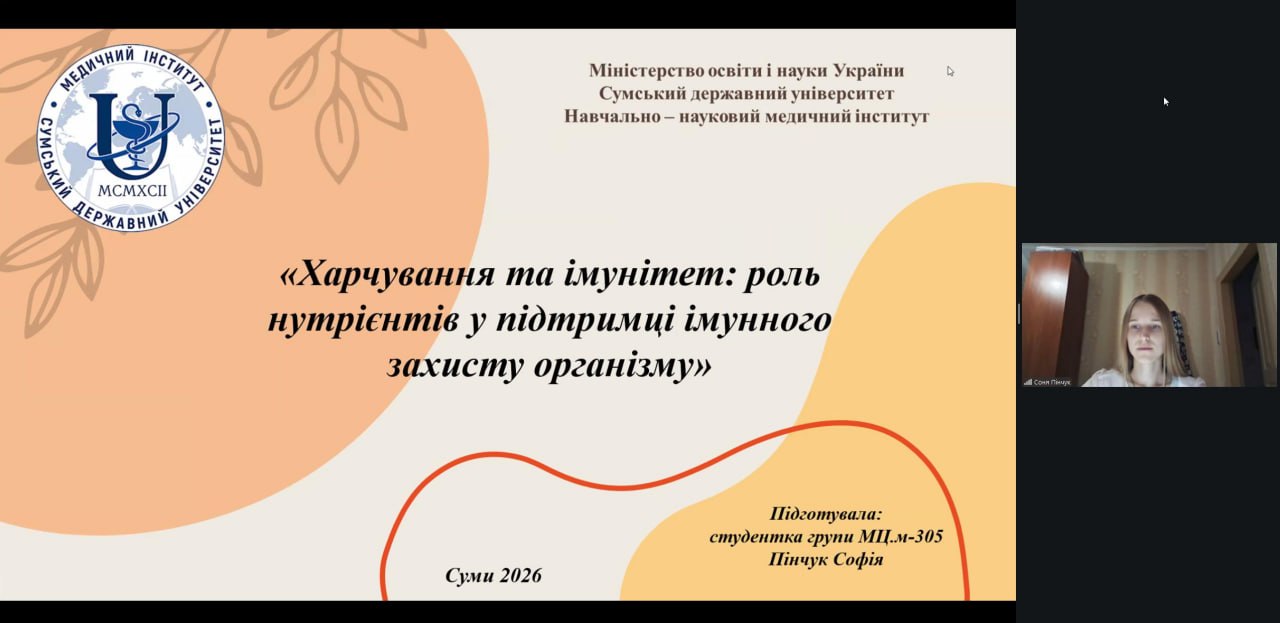
- Sofiia Pinchuk(MC.m-305) – “Nutrition and Immunity: The Role of Nutrients in Supporting the Body’s Immune Defences.”
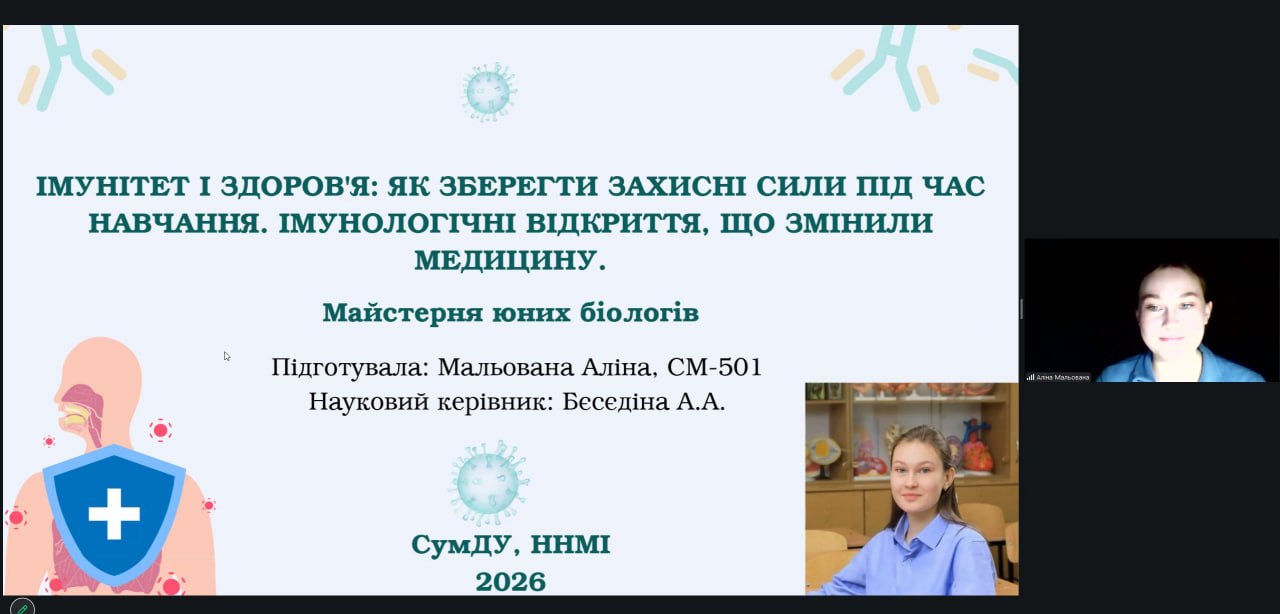
- Alina Maloviana(SM-501) – “Immunological Discoveries That Changed Medicine.”
Members of the scientific group actively participated in discussions of the presentations, asked the speakers questions, and shared their own perspectives on important aspects of the topics covered.
Following the discussion, students were encouraged to continue exploring their chosen research areas, develop their skills in critically evaluating scientific information, and use reliable, up-to-date scientific sources to support further investigation of the issues under study.
The meeting provided a valuable opportunity to deepen scientific knowledge, encourage critical thinking, and foster interest in immunology and biomedical research among future healthcare professionals.