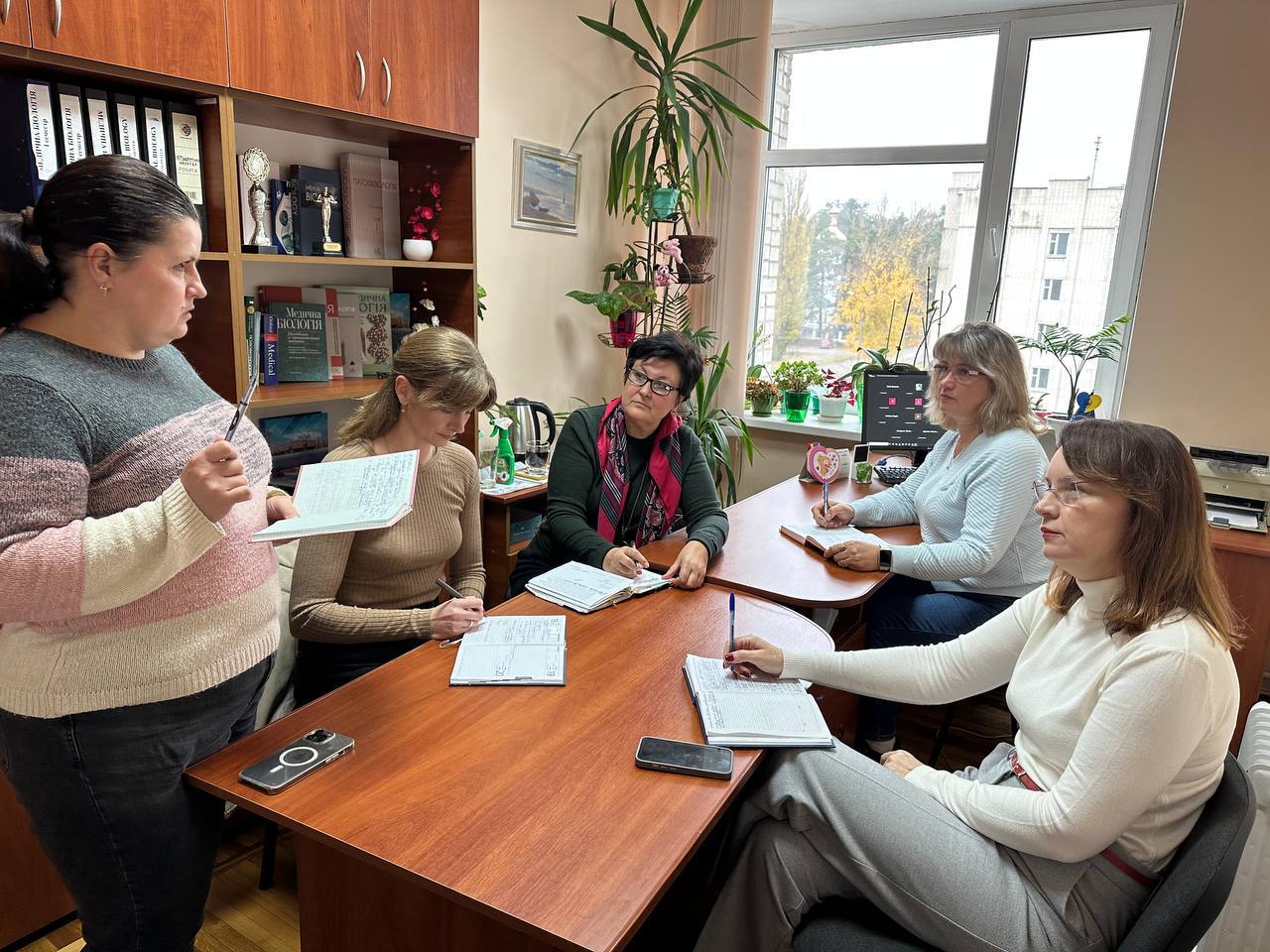
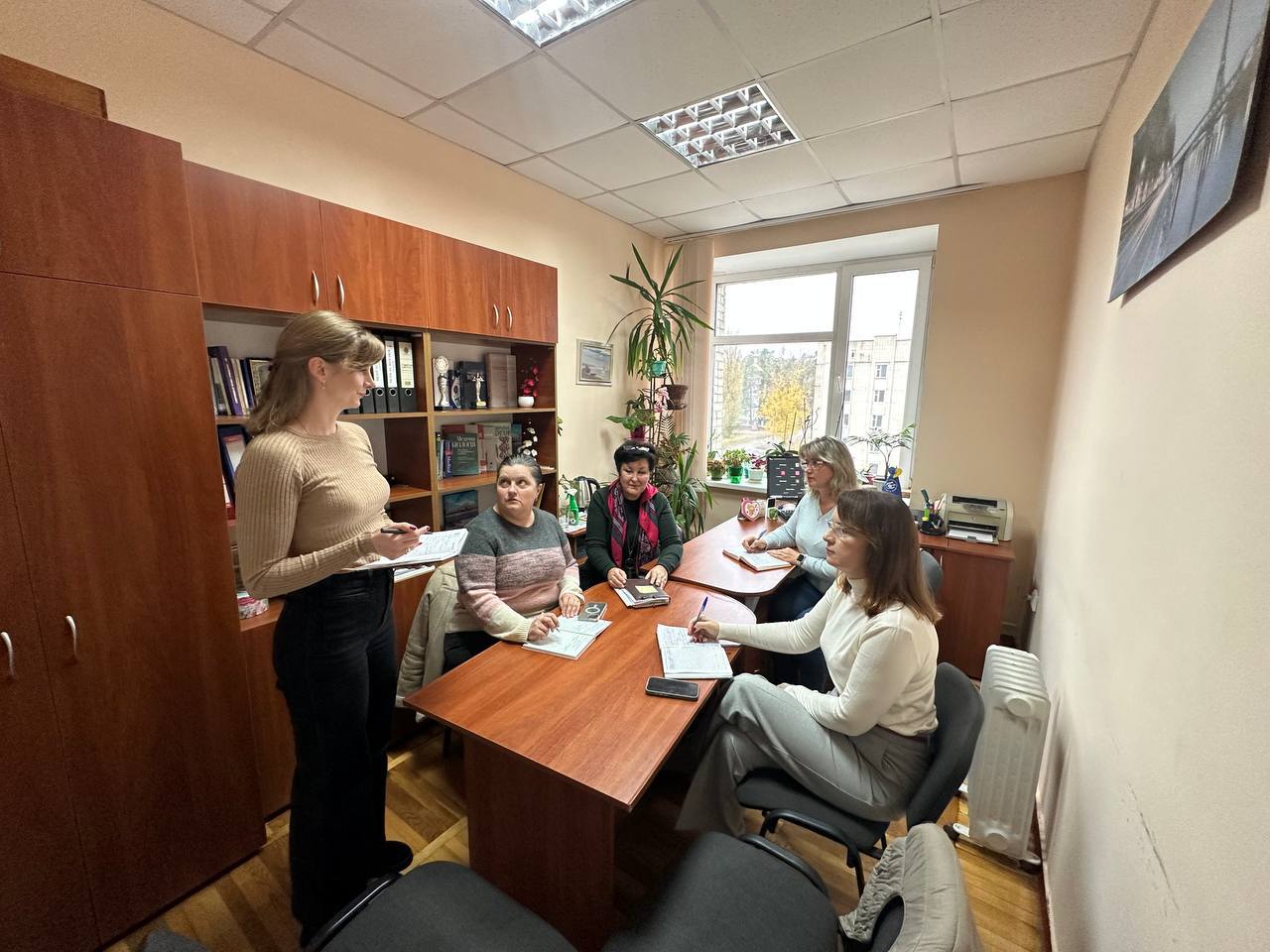
A methodological meeting dedicated to improving the educational process and implementing innovative teaching methods for medical students was held at the Department of Physiology and Pathophysiology with the Course of Medical Biology. During the meeting, modern pedagogical approaches aimed at enhancing students’ learning engagement, developing clinical reasoning, and fostering practical competencies essential for their future professional practice were discussed.
Flipped Learning in Teaching Human Physiology. The implementation of the Flipped Learning approach was identified as one of the promising ways to improve the teaching of human physiology. Its main feature is that students become familiar with the learning materials independently before class, using recommended educational resources, video lectures, presentations, and scientific literature. Classroom time is then devoted to an in-depth study of the subject, discussion of complex physiological processes, practical assignments, analysis of case-based problems, and assessment of students’ understanding of the material. This approach promotes independent learning, responsibility for learning outcomes, and critical thinking skills, while also enabling more effective use of classroom time for direct interaction between instructors and students.
Case-Based Learning (CBL) in Teaching Pathophysiology. Particular attention was paid to the implementation of Case-Based Learning in pathophysiology education. This method involves students working with clinical scenarios based on realistic examples from medical practice, followed by an analysis of the mechanisms underlying pathological processes and the establishment of cause-and-effect relationships between etiological factors, pathogenesis, and clinical manifestations of diseases. The use of clinical cases helps students integrate theoretical knowledge from different areas of medical science, develop analytical abilities and clinical reasoning, and apply fundamental pathophysiological principles to explain specific clinical manifestations. Furthermore, group discussions of clinical cases foster teamwork, the ability to substantiate one’s opinions, and evidence-based decision-making skills.
Following the methodological meeting, it was concluded that combining Flipped Learning and Case-Based Learning creates additional opportunities to improve the teaching of fundamental medical disciplines. These approaches shift the emphasis from simply reproducing theoretical information towards its in-depth understanding, practical application, and the development of professionally relevant competencies. The systematic implementation of innovative educational approaches is expected to enhance students’ learning motivation, improve their understanding and retention of complex educational material, and provide a solid theoretical foundation for further studies in clinical disciplines and their future medical practice.