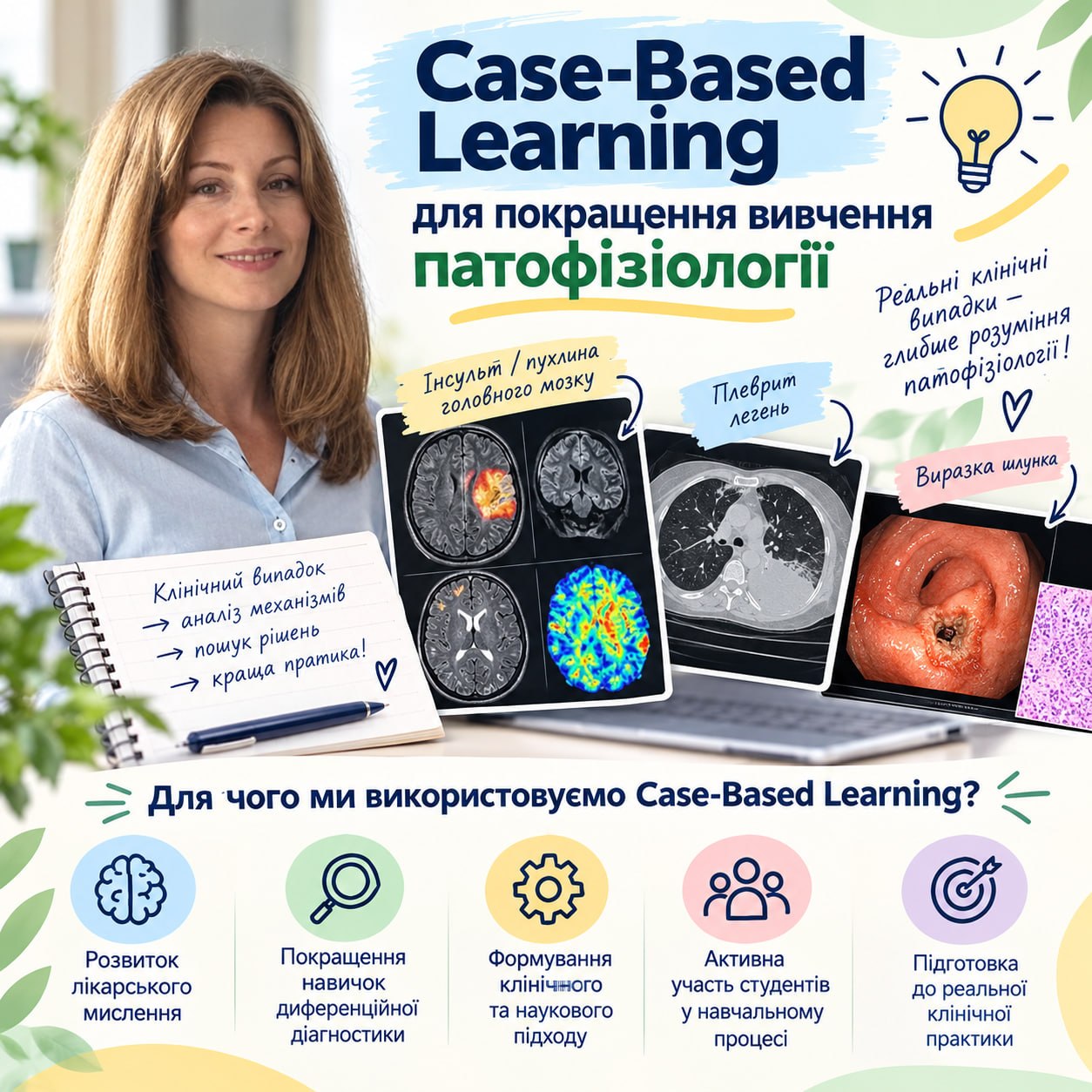
The Department of Physiology and Pathophysiology, with a Course in Medical Biology, is introducing modern educational technologies aimed at improving the quality of training for future doctors. One promising approach to enhancing the teaching of pathophysiology is Case-Based Learning (CBL), a method based on the analysis of clinical cases, which is being implemented by Associate Professor Tetiana Oleshko.
Pathophysiology is a fundamental discipline that develops students’ understanding of the mechanisms underlying the onset, progression and consequences of pathological processes. At the same time, it is essential that students not only acquire theoretical knowledge but also learn to apply it to explain the clinical manifestations of diseases, interpret investigation results and justify diagnostic decisions.
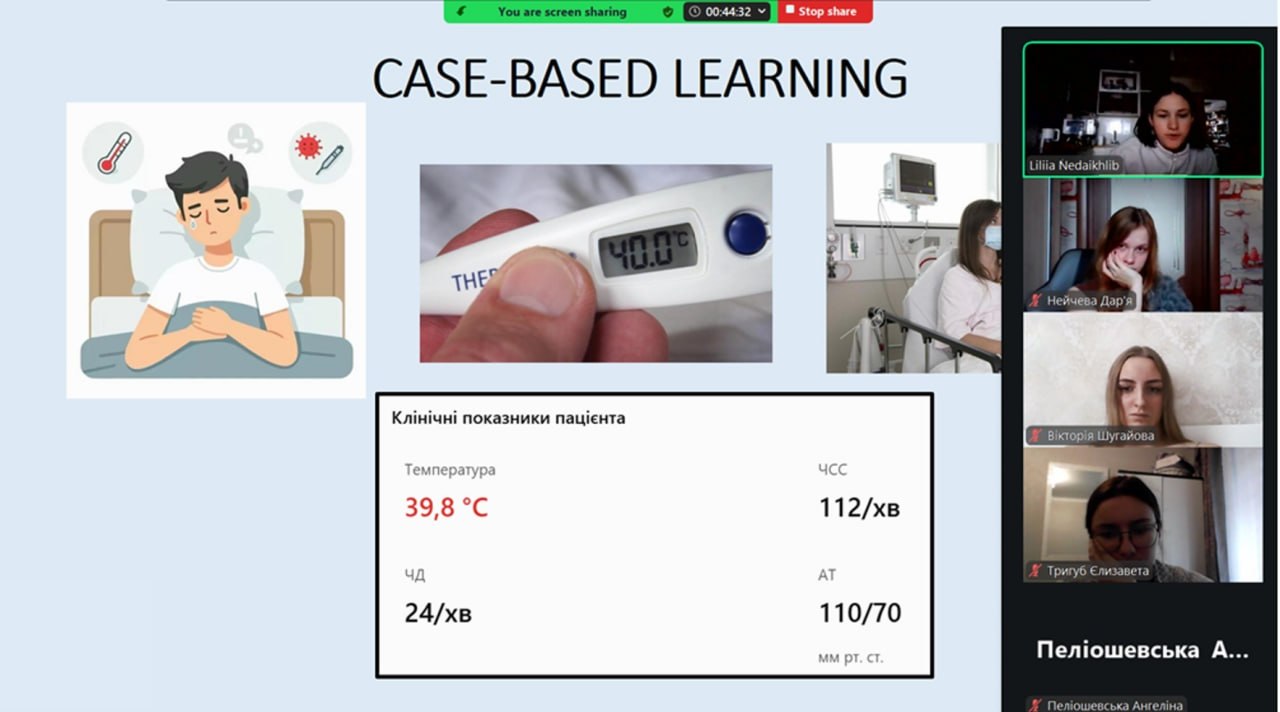
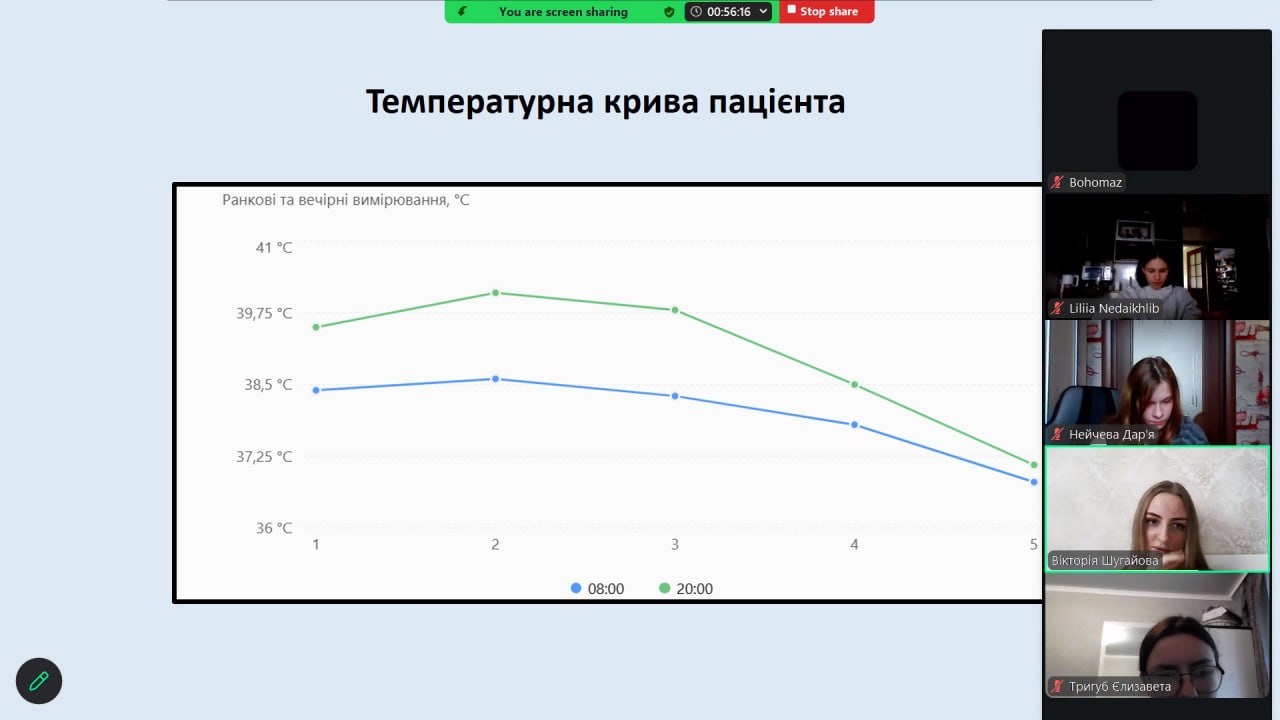
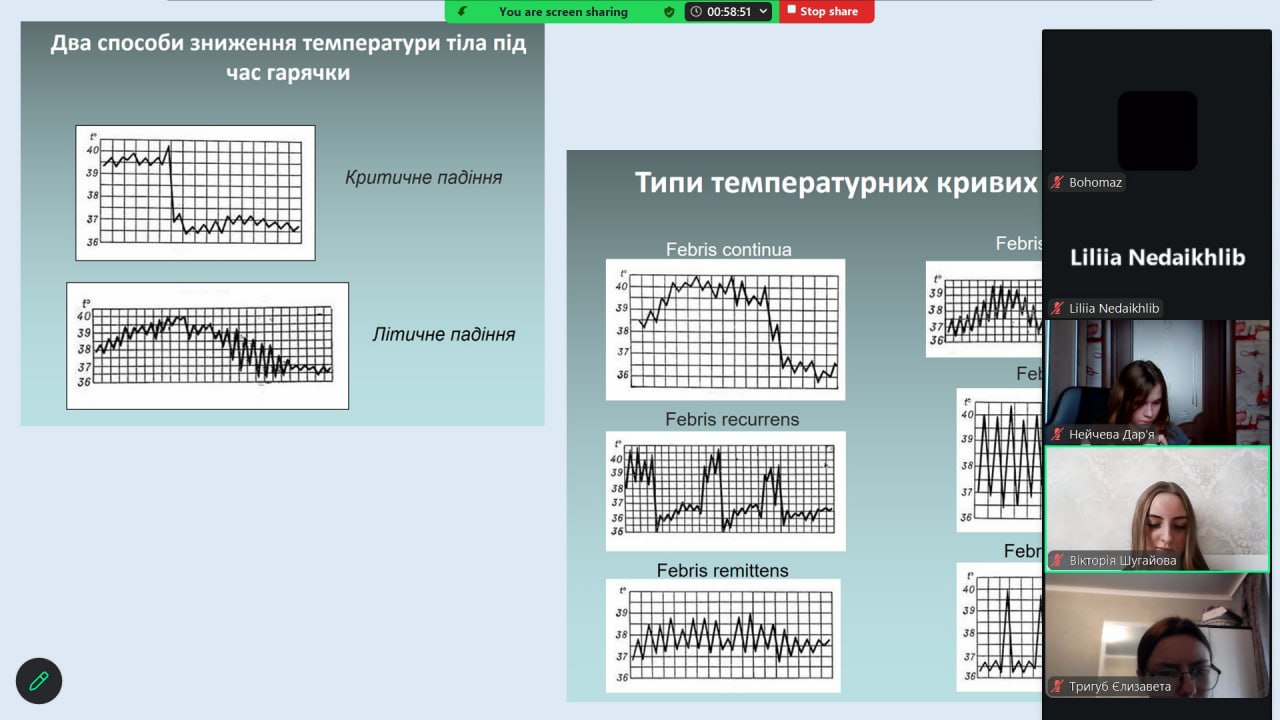
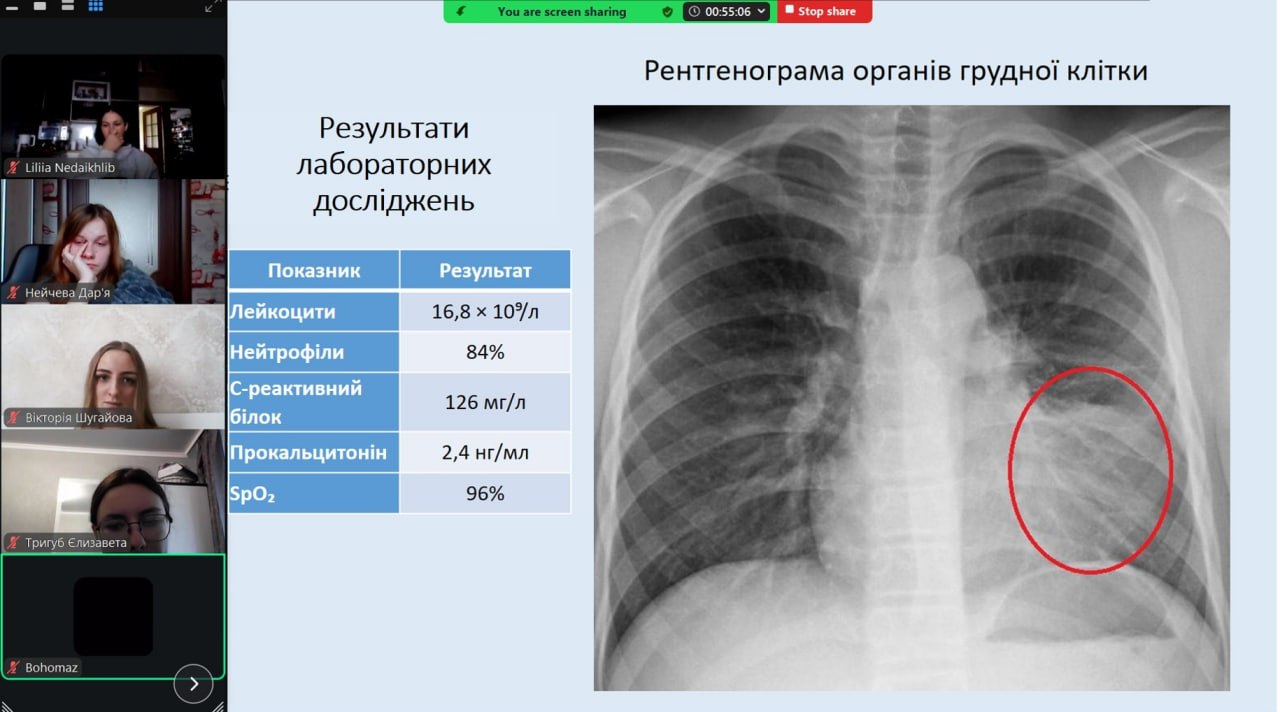
During practical classes, students are presented with clinical scenarios and analyse patients’ complaints, medical histories, symptoms, and laboratory and instrumental investigation results, including X-rays, ECGs, MRI, CT, endoscopy and other diagnostic methods.
For example, when examining clinical cases involving pneumonia, ischaemic stroke, pleurisy or peptic ulcer disease, students are expected not merely to establish a probable diagnosis but, above all, to explain the pathophysiological mechanisms underlying the disease, the relationships between structural and functional changes, clinical manifestations and investigation findings.
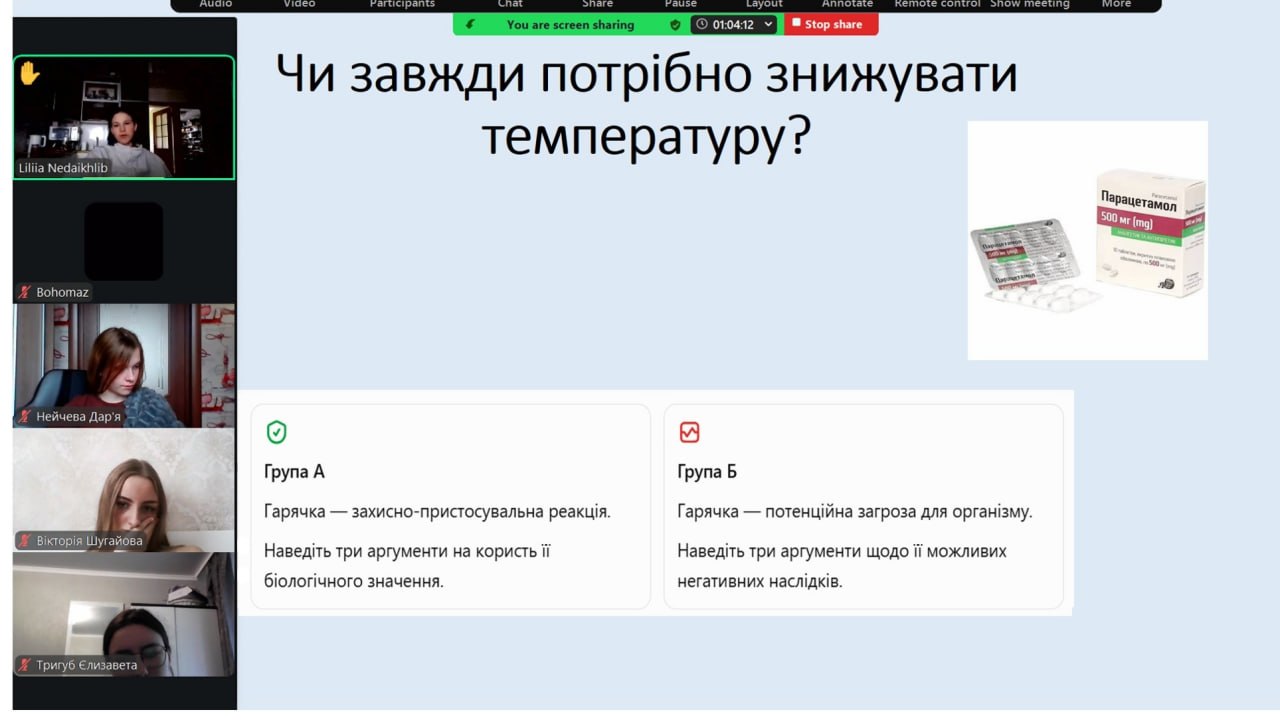
Particular emphasis is placed on group discussions, developing clinical hypotheses, justifying individual viewpoints and exploring alternative diagnostic approaches. In this process, the lecturer acts not only as a source of information but also as a facilitator of learning, guiding students towards independent analysis and well-reasoned conclusions.
The use of clinical cases helps students recognise that pathophysiology is not merely a theoretical foundation of medicine, but also a tool for understanding pathological processes that is essential for their future diagnostic and therapeutic practice.