On 18 November, the Department of Physiology and Pathophysiology, with a Medical Biology course, hosted a regular meeting of the Student Physiology Society, dedicated to a topical issue in modern neuroscience: ‘Neurotransmitters of the CNS. Dopamine – a key element of the brain’s reward system, and its impact on mental health’. The event took place online via Zoom.
During the meeting, students had the opportunity to deepen their understanding of the role of dopamine in the functioning of the central nervous system, the mechanisms underlying motivation, emotional responses, learning and behaviour, as well as to discuss current scientific insights into the importance of dopaminergic signalling in maintaining mental health.
The programme for the session comprised seven student presentations, which explored various aspects of the functioning of the dopaminergic system:
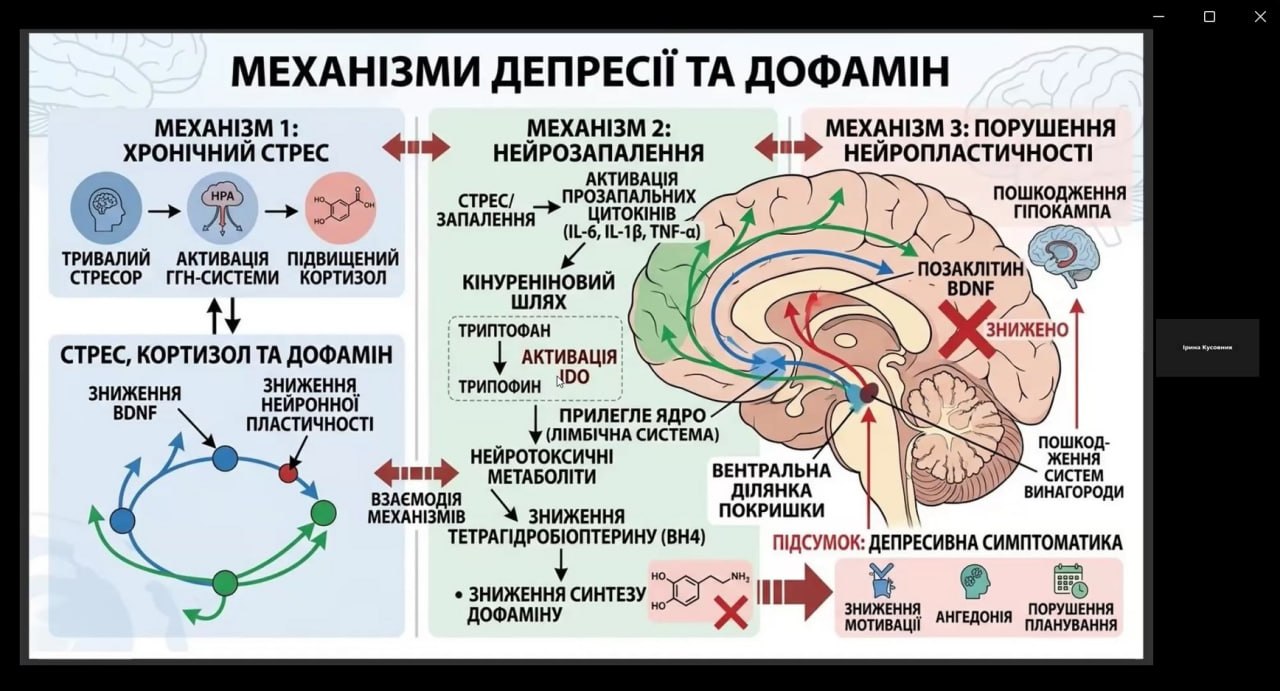
- ‘Dopamine and depression: is depression really linked to a dopamine deficiency?’ – Iryna Kusovnik (MC.m-306).
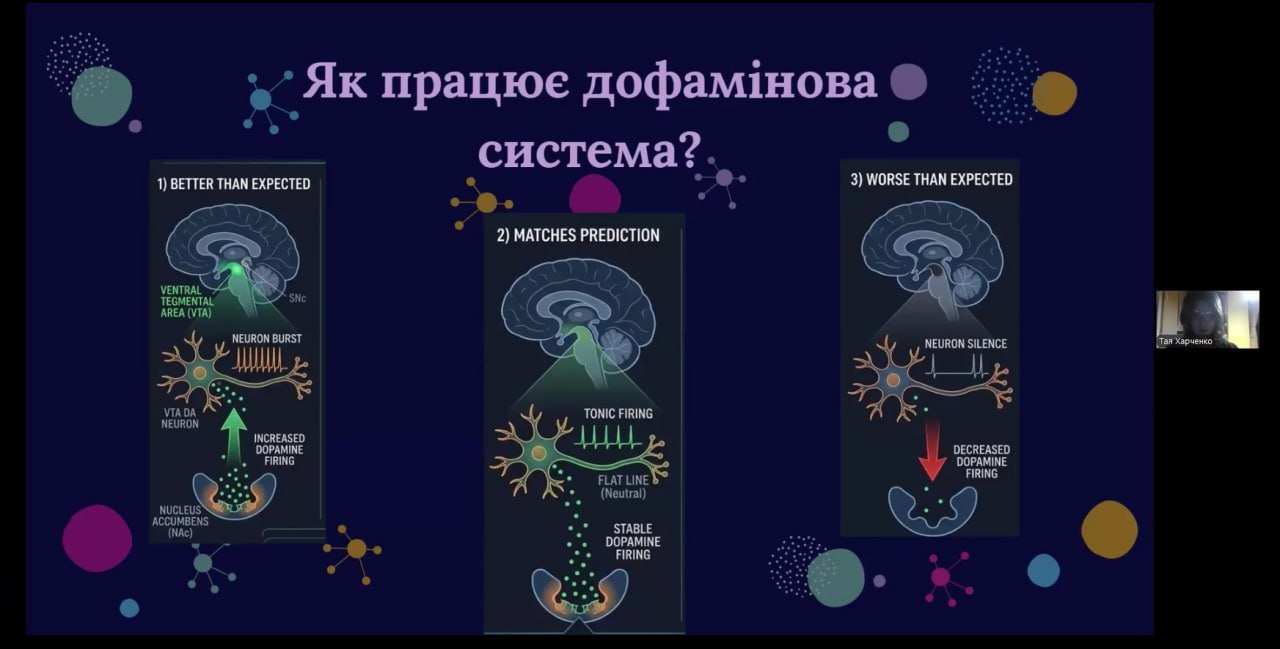
- ‘The “fast dopamine” phenomenon’: current understanding of the reward system and the development of addictive behaviour – Taisiia Kharchenko (MC.m-306).
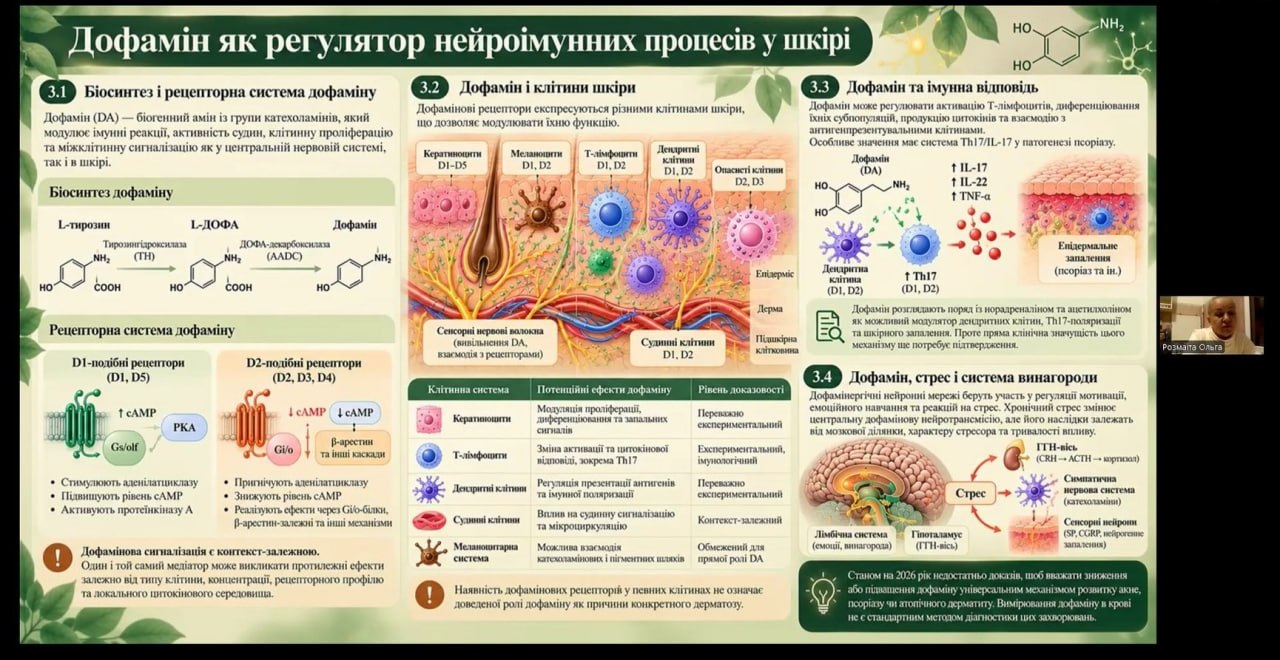
- ‘Brain–skin: dopamine, neurotransmitters and neurogenic inflammation in the pathogenesis of dermatoses’ – Olga Rozmaita (MC.m-212).
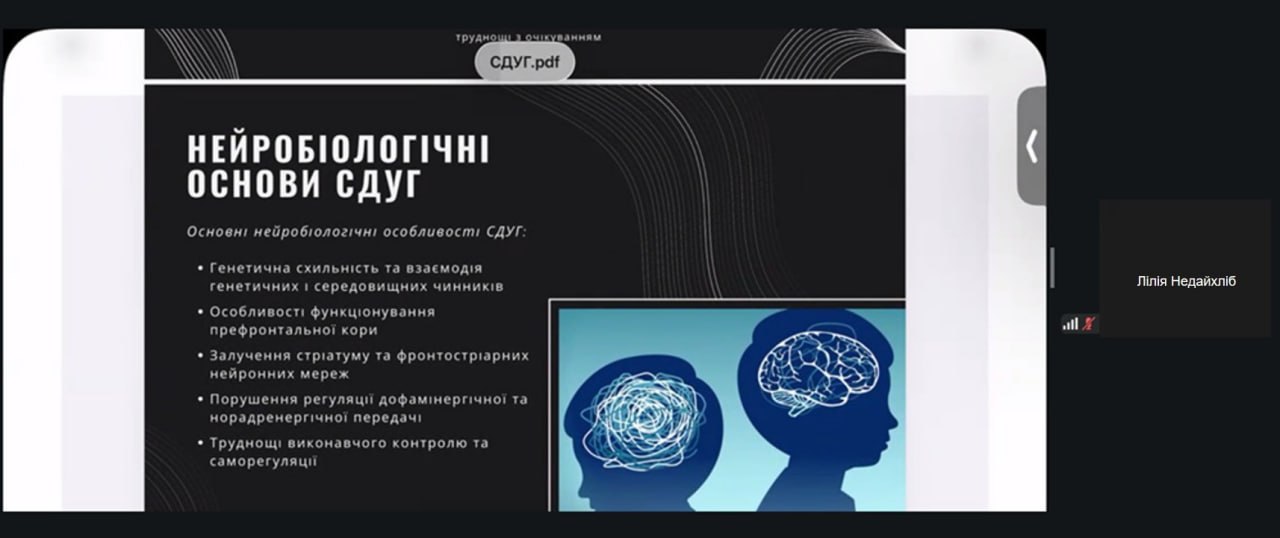
- ‘Attention-deficit/hyperactivity disorder (ADHD): the role of dopaminergic dysfunction in the development of clinical manifestations’ – Lilia Nedaykhlyb (MC.m-406).
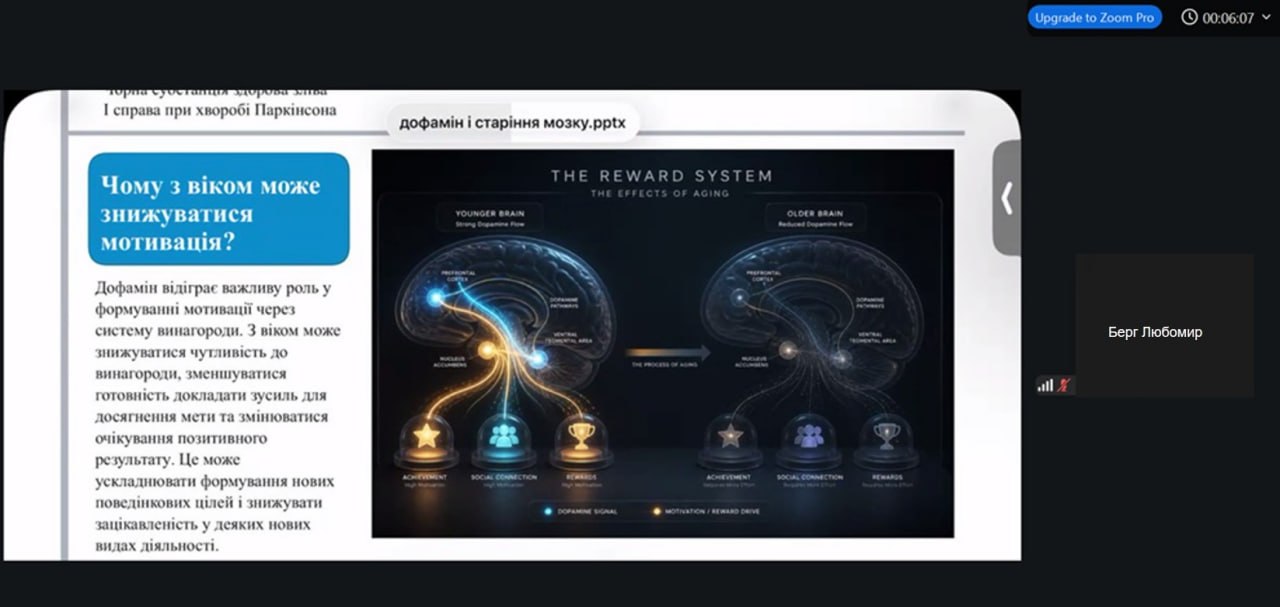
- ‘Dopamine and brain ageing: why do motivation, cognitive flexibility and learning ability change with age?’ – Lyubomyr Berg (MC.m-405).
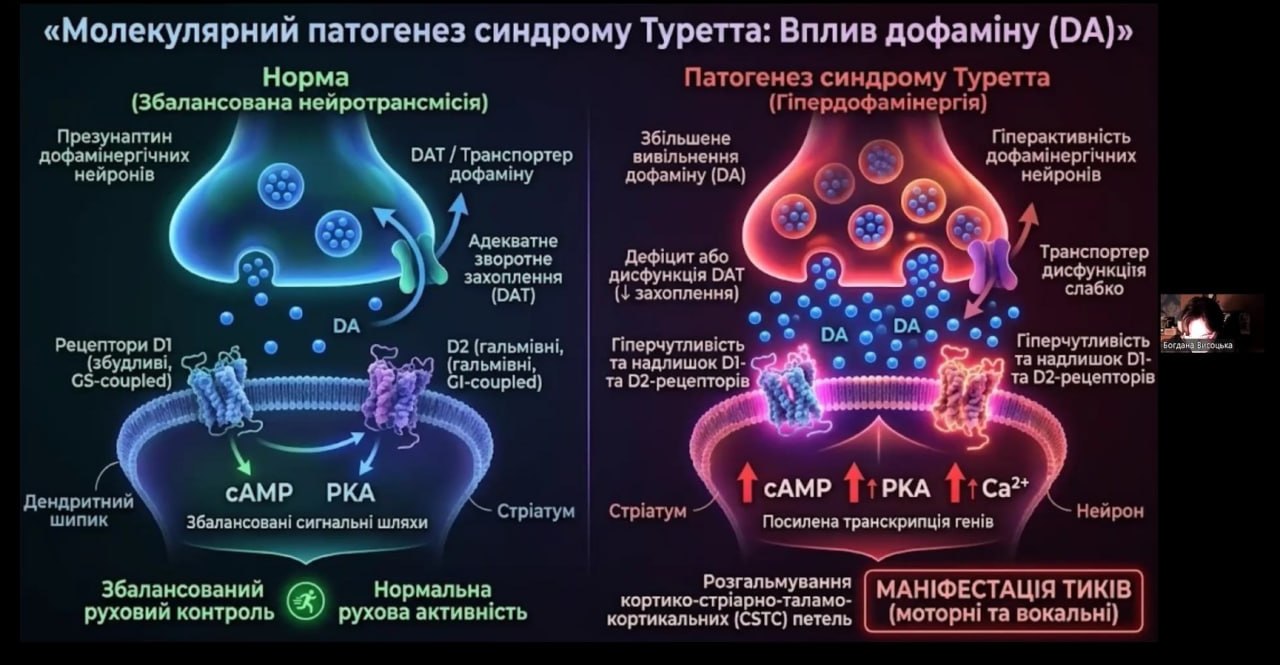
- ‘The role of dopamine in the development of neurological and mental disorders’ – Bohdana Vysotska (MC.m-304).
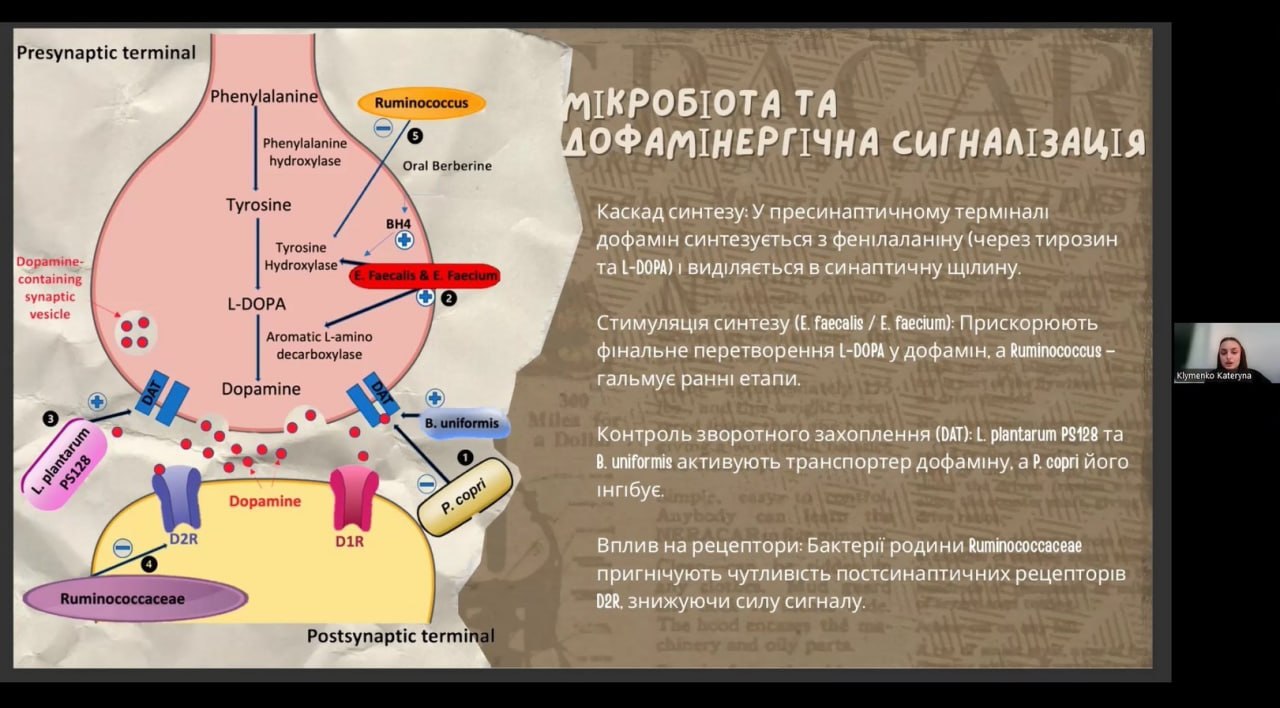
- ‘The gut-brain axis: the interplay between the microbiota, dopaminergic signalling and mental health’ – Kateryna Klymenko (SM-501).
The presented reports demonstrated the multifaceted biological role of dopamine and its involvement in complex neurophysiological and pathophysiological processes. Particular attention was paid to the relationship between disturbances in dopaminergic transmission and depressive states, addictive behaviour, attention-deficit/hyperactivity disorder, age-related changes in cognitive functions, as well as cross-system interactions within the ‘gut–brain’ axis and neuroimmune mechanisms.
The diversity of the topics presented highlighted the importance of an interdisciplinary approach to studying the functioning of the nervous system and the current understanding of the mechanisms underlying the development of neurological and mental disorders. The session provided an excellent opportunity to deepen theoretical knowledge, develop research skills, critically analyse current literature and improve the ability to present the results of one’s own work.
The Department extends its sincere thanks to the students for their thorough preparation of the presentations, their active participation and their interest in scientific activity!