On April 15, 2026, a regular meeting of the student scientific club “Molecular Genetic Laboratory” was held under the supervision of Associate Professor Olha Obukhova on the topic “Genetics and the Microbiome: How Bacterial DNA Affects Our Health.”
During the meeting, participants discussed modern scientific approaches to studying the human microbiome, its genetic characteristics, and its role in regulating physiological processes in the human body. Particular attention was paid to the relationship between the microbiota and metabolic processes, the immune system, skin condition, and individual health characteristics.
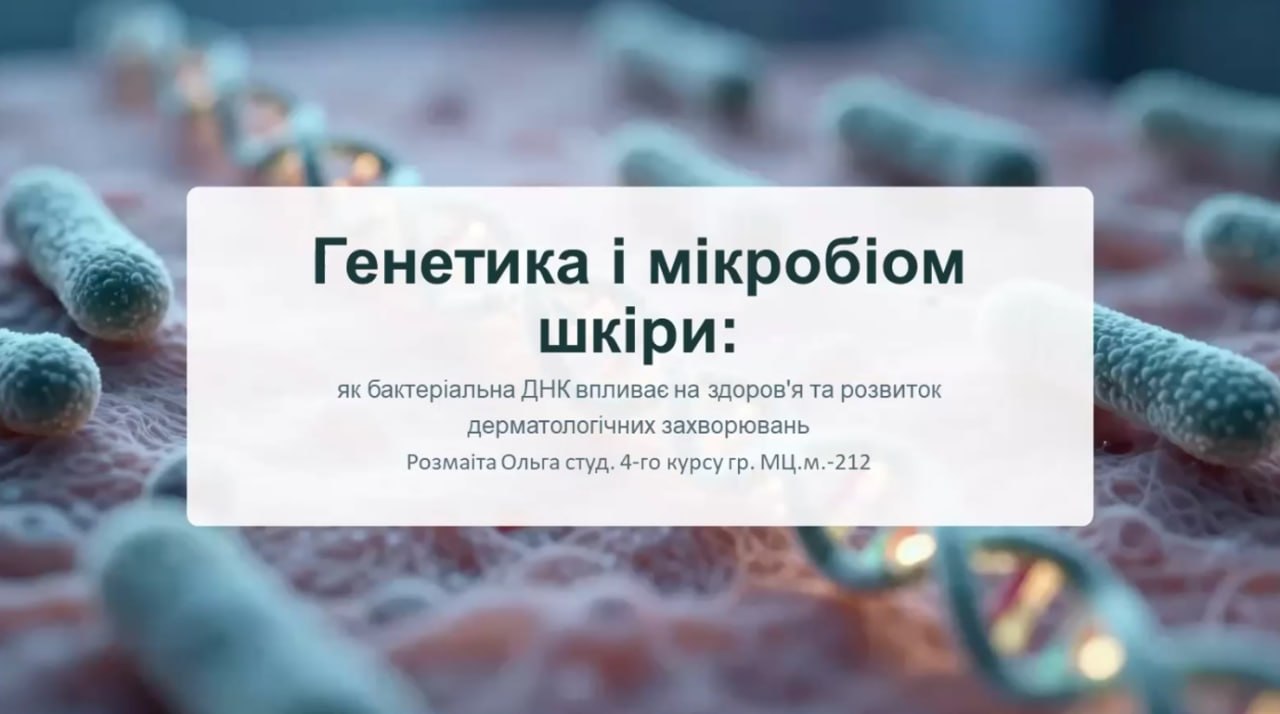
As part of the event, a series of informative student presentations were delivered. Bohdan Vysotskyi (MC.m-304) highlighted the role of microbiome genes in metabolism and energy balance. Alona Parkhomchuk (MC-405) analyzed the impact of antibiotics on the genetic structure of the microbiome and the problem of antibiotic resistance. Olha Rozmaita (MC.m-212) focused on the role of the microbiome in the development of skin diseases.
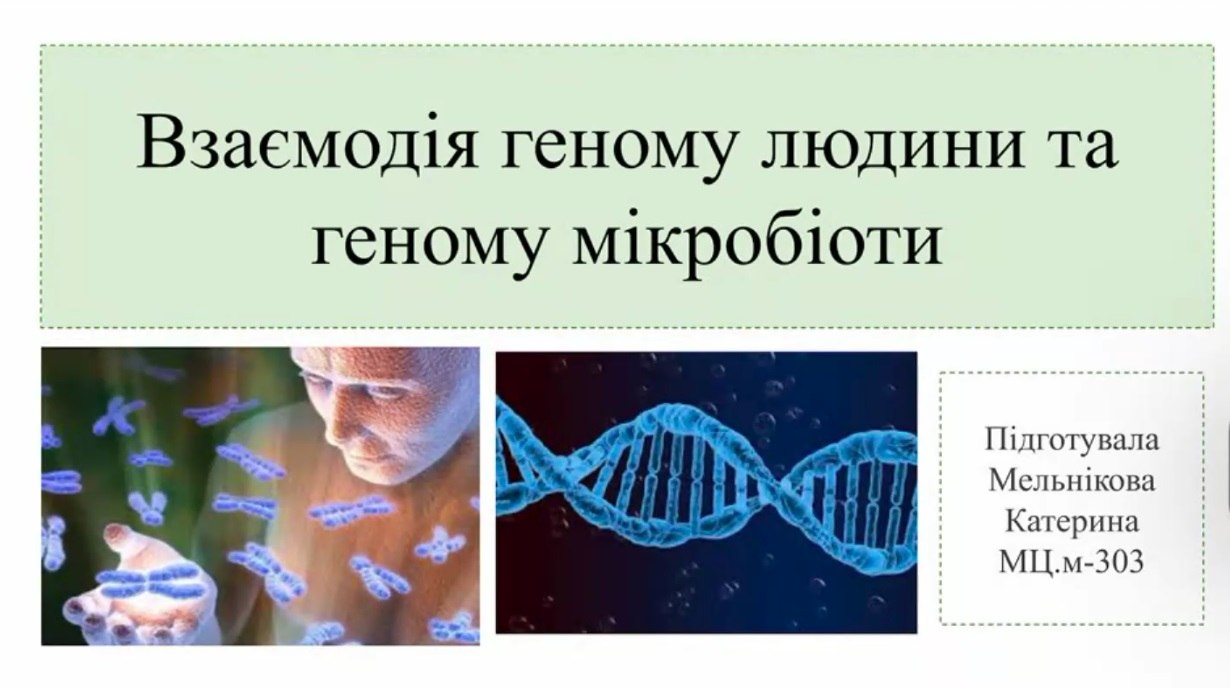
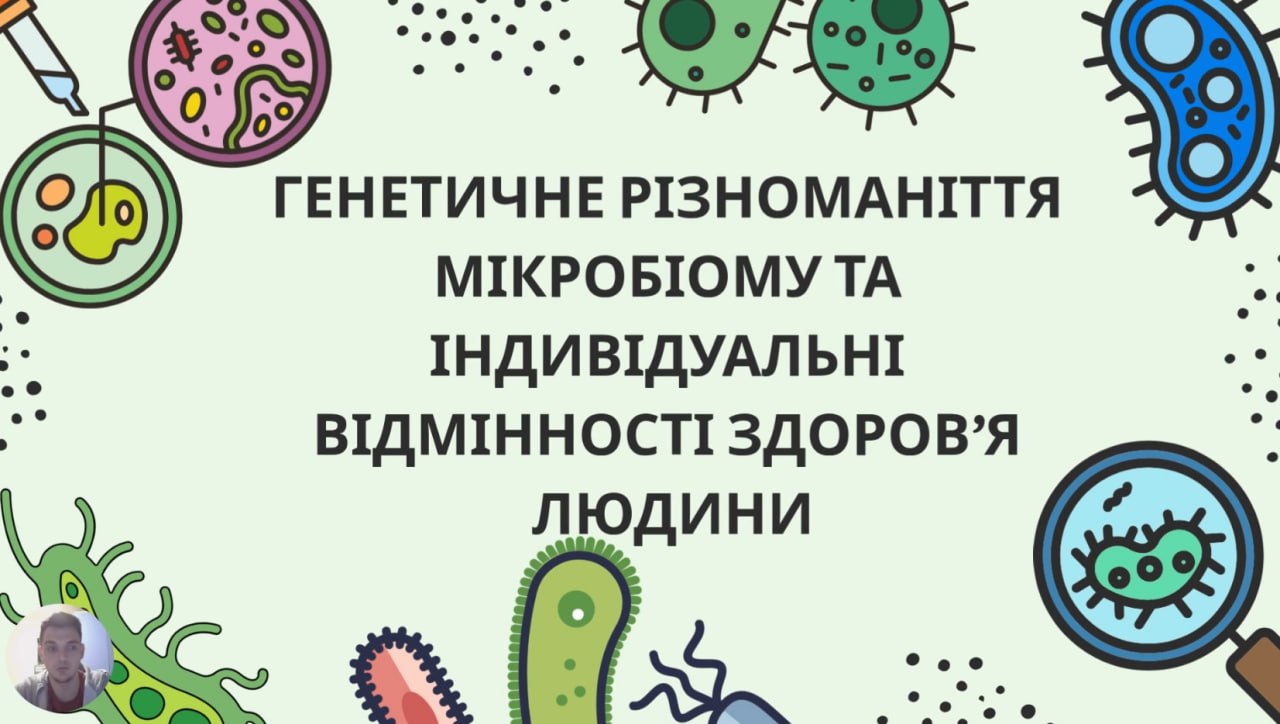
Mariia Tovstukha (MC-303) presented a report on the potential of metagenomics in studying the human microbiome, while Kateryna Melnikova (MC-303) addressed the interaction between the human genome and the microbiota. Kateryna Klymenko (SM-401) characterized the microbiome as a genetically active system of the organism, whereas Ihor Starostenko (MC-215) focused on the genetic diversity of the microbiome and its relationship with individual health differences.
The meeting served as a platform for discussing current trends in modern molecular medicine and contributed to the development of students’ scientific thinking and deeper understanding of genetics and microbiology. The presented reports were characterized by relevance, scientific validity, and practical significance, reflecting the high level of training of the participants.
The event is aligned with the principles of sustainable development and is organically consistent with modern approaches to public health development, promoting responsible attitudes toward health preservation, disease prevention, and improved quality of life through the dissemination of scientifically grounded knowledge in the medical environment.