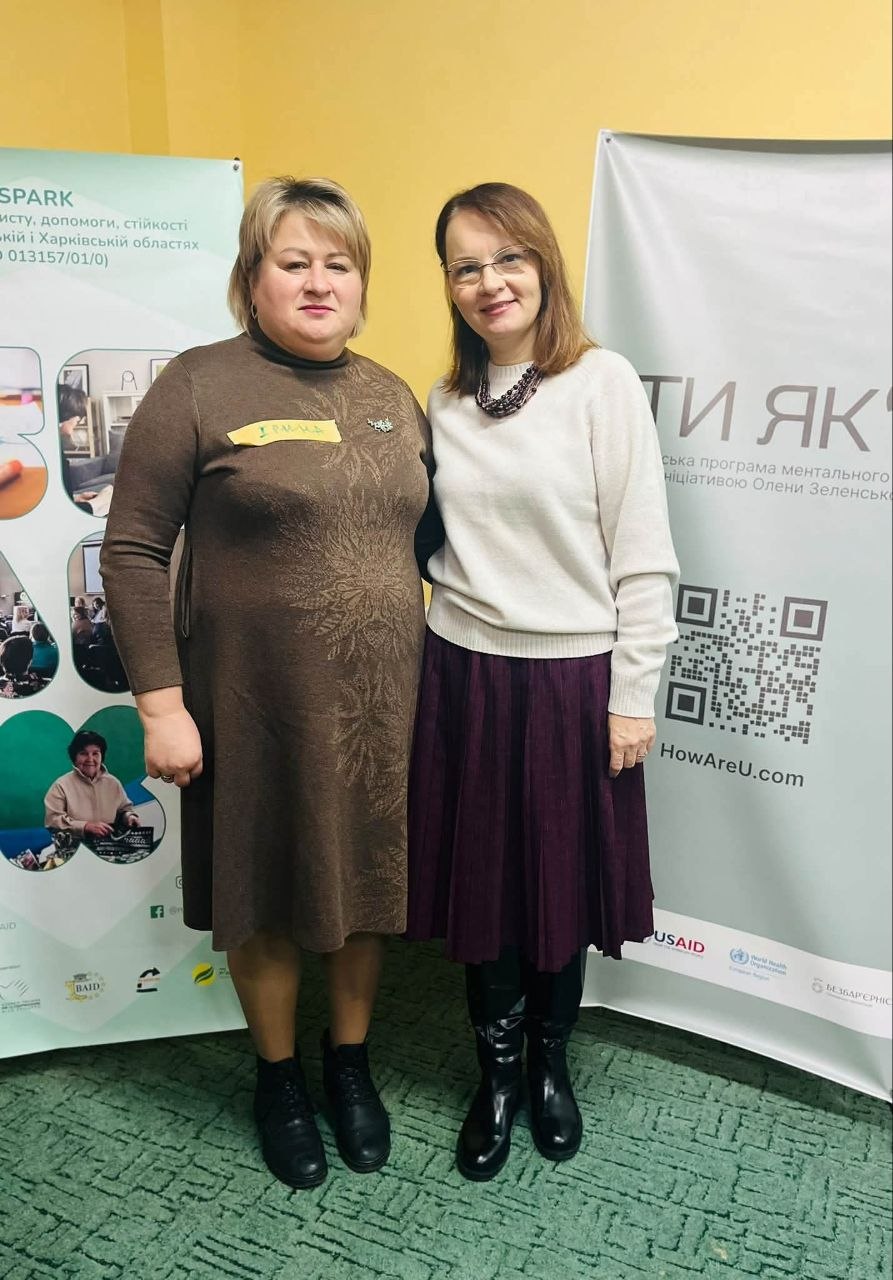
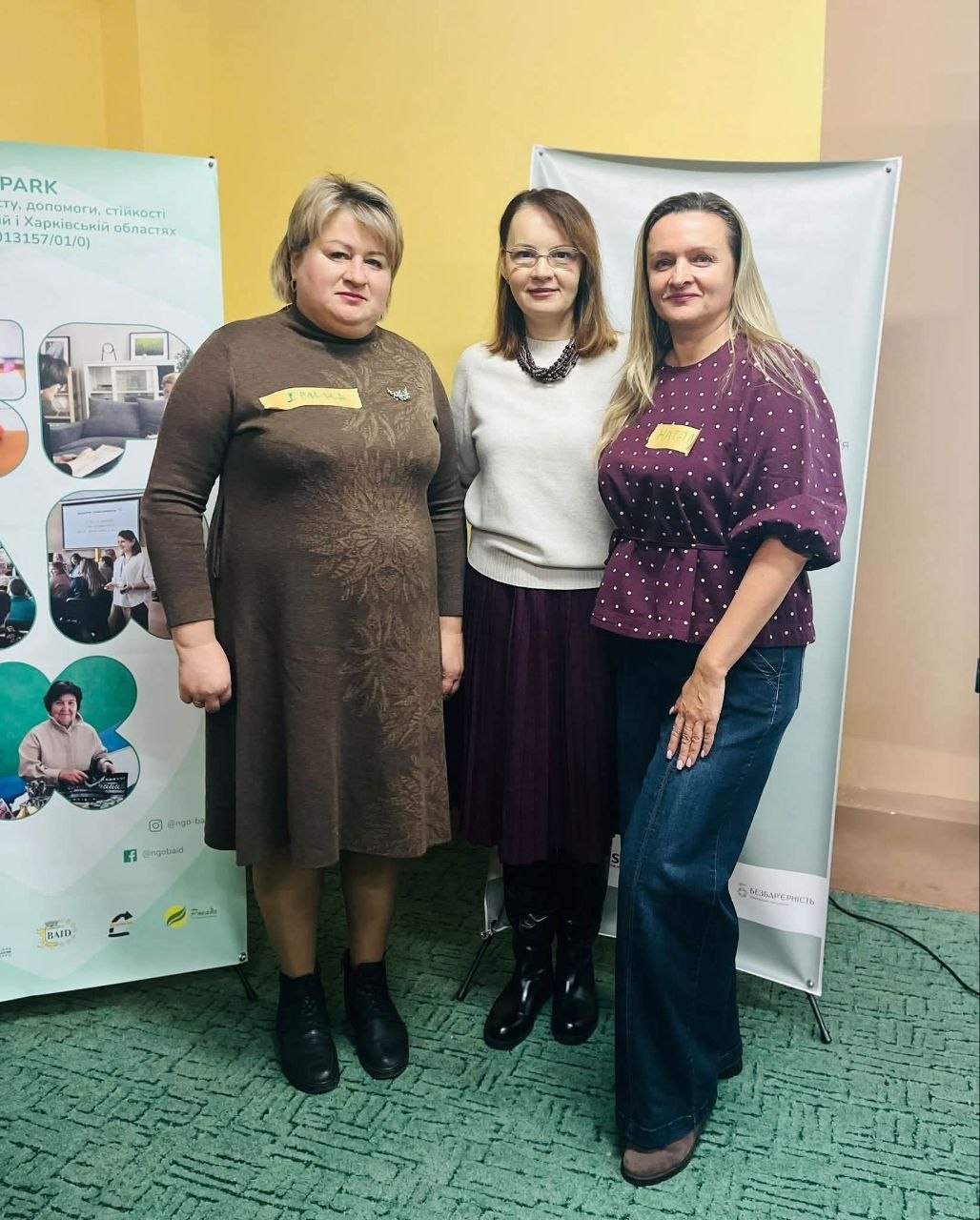
On 5–6 November, Professor Viktoriia Harbuzova from the Department of Physiology and Pathophysiology, with a Course in Medical Biology, took part in a scientific and practical training course entitled “Sleep Disorders: Providing Care in Primary Healthcare Centres and Management by Multidisciplinary Teams of Mental Health Centres, Based on International Clinical Guidelines.”
The event focused on current issues in the diagnosis, prevention and treatment of sleep disorders in accordance with the latest international clinical recommendations, as well as on improving interdisciplinary cooperation in mental healthcare. The training was held as part of the implementation of the United Nations Sustainable Development Goal “Good Health and Well-being”, which aims to protect mental health and improve quality of life.
The main topics covered during the training included:
🔹 Sleep hygiene and psychoeducation – evidence-based non-pharmacological approaches to improving sleep quality, developing healthy behavioural habits and raising patient awareness. These may seem like simple measures, but they are precisely where effective care begins. The practical skills for improving and normalising sleep were particularly valuable.
🔹 The neurobiological mechanisms of sleep regulation and modern classifications of sleep disorders – developing a deeper understanding of the physiological and pathophysiological processes underlying sleep disturbances. Multidisciplinary sleep medicine is finally providing doctors, psychotherapists and psychologists with a common professional language.
🔹 CBT-I (Cognitive Behavioural Therapy for Insomnia) as the first-line treatment for chronic insomnia.
🔹 Psychopharmacotherapy and specific approaches to treating sleep disorders associated with anxiety disorders, mood disorders, psychosis and dementia. An important part of the training programme involved clinical case analysis, practical sessions and professional discussions aimed at integrating the latest scientific knowledge into everyday clinical practice.
🔹 The patient care pathway: establishing effective cooperation between primary healthcare services, specialised psychiatric care and multidisciplinary sleep therapy centres.
Special thanks go to the trainers, Iryna Mudrenko and Nataliia Kovalenko, for delivering a comprehensive yet highly practical programme, and to the project’s academic supervisor, Volodymyr Korostii, for the idea and organisation of the event.
In the context of prolonged psycho-emotional stress, sleep disorders are becoming an issue of particular medical and social importance. The timely identification of sleep disturbances, the use of evidence-based treatment methods and effective interdisciplinary cooperation are essential components of protecting the mental and physical health of the population.