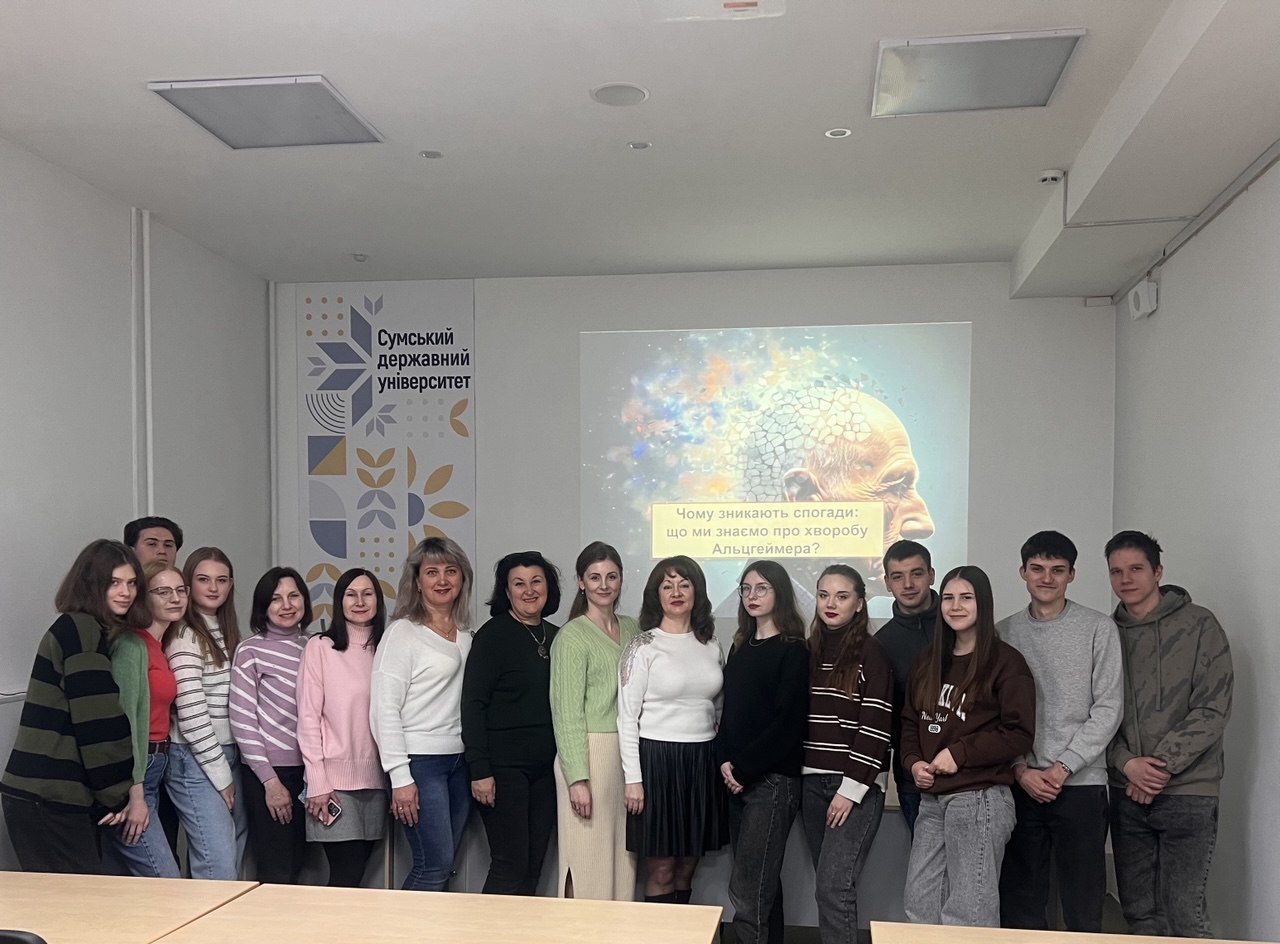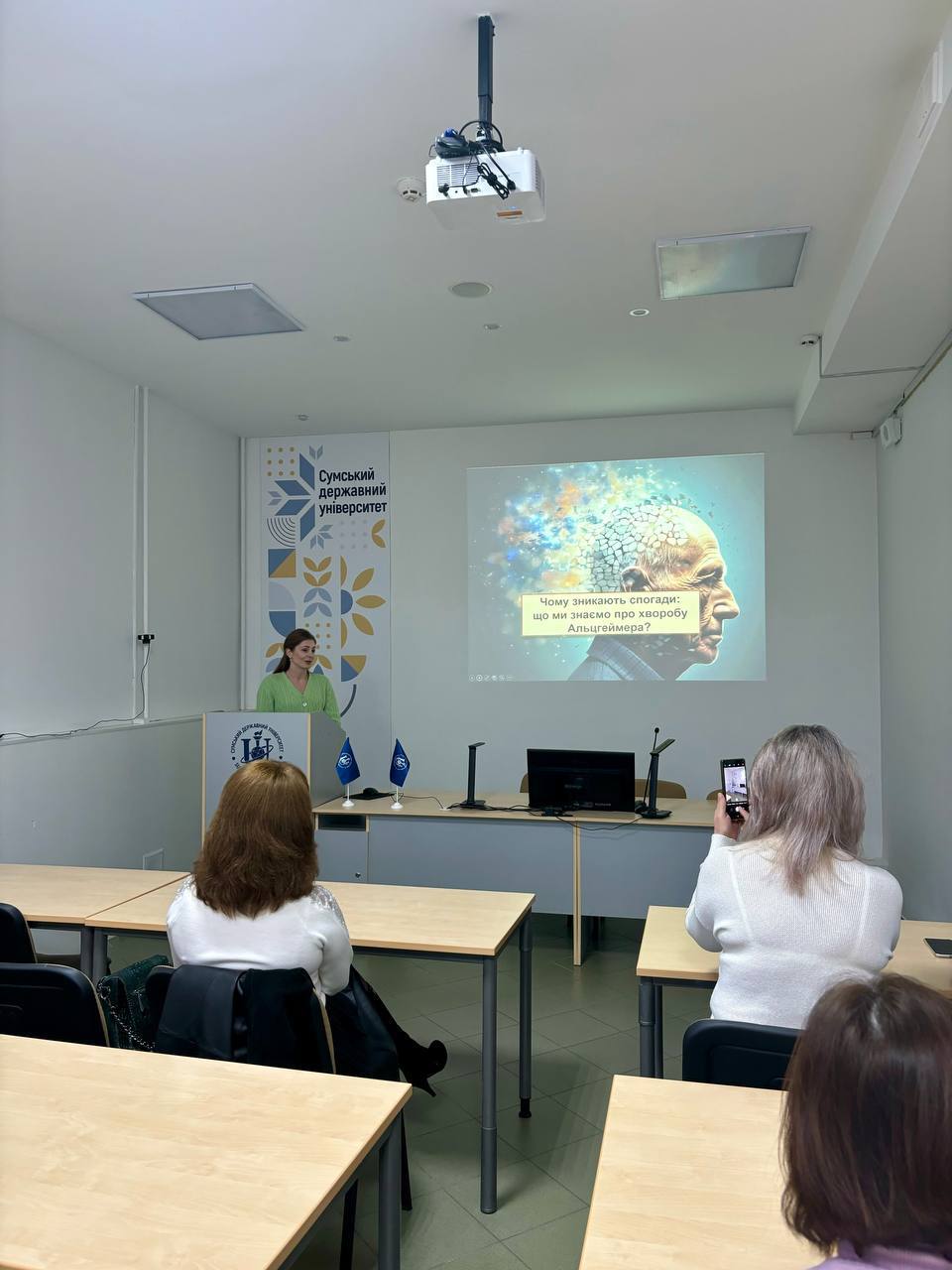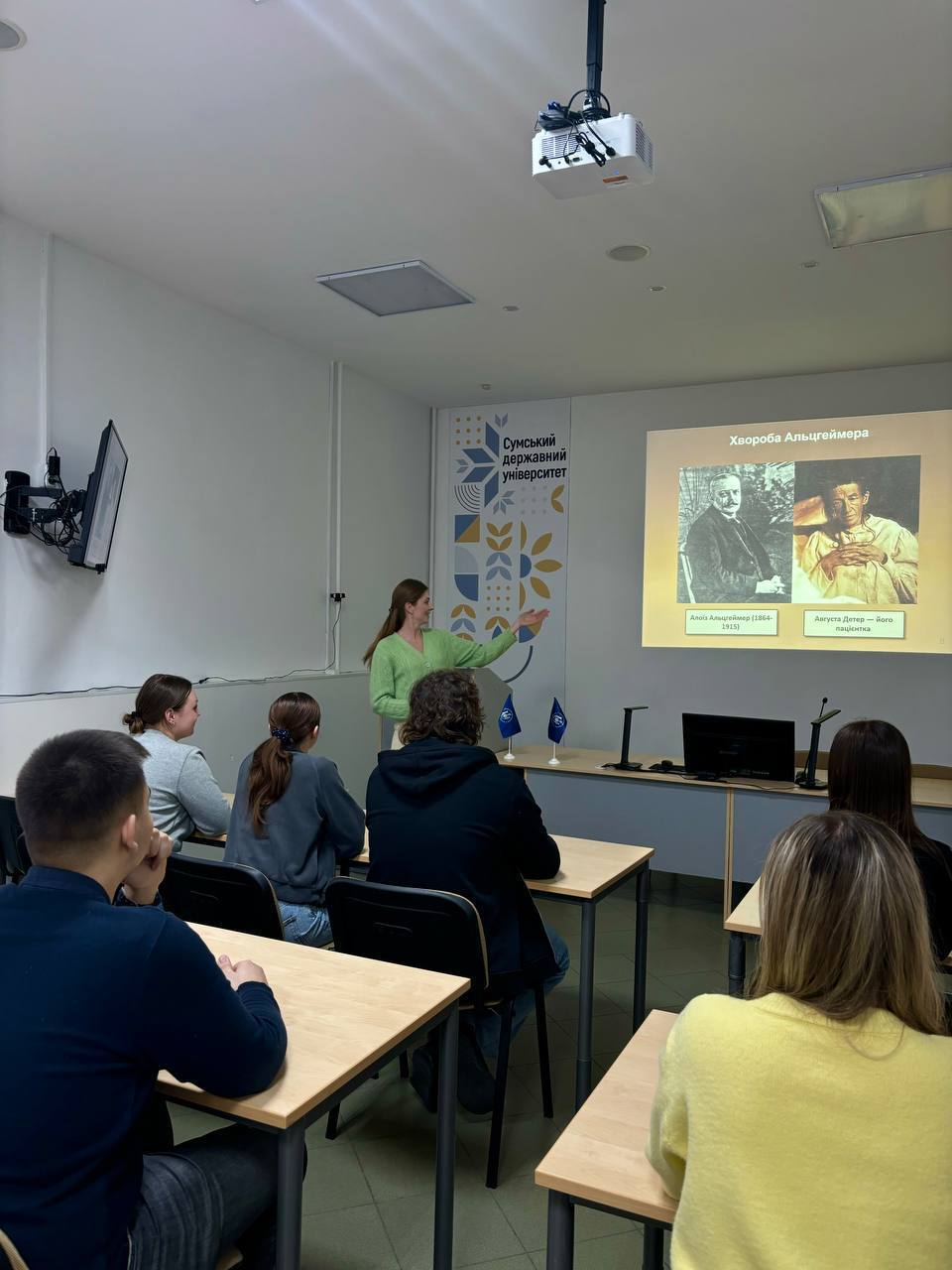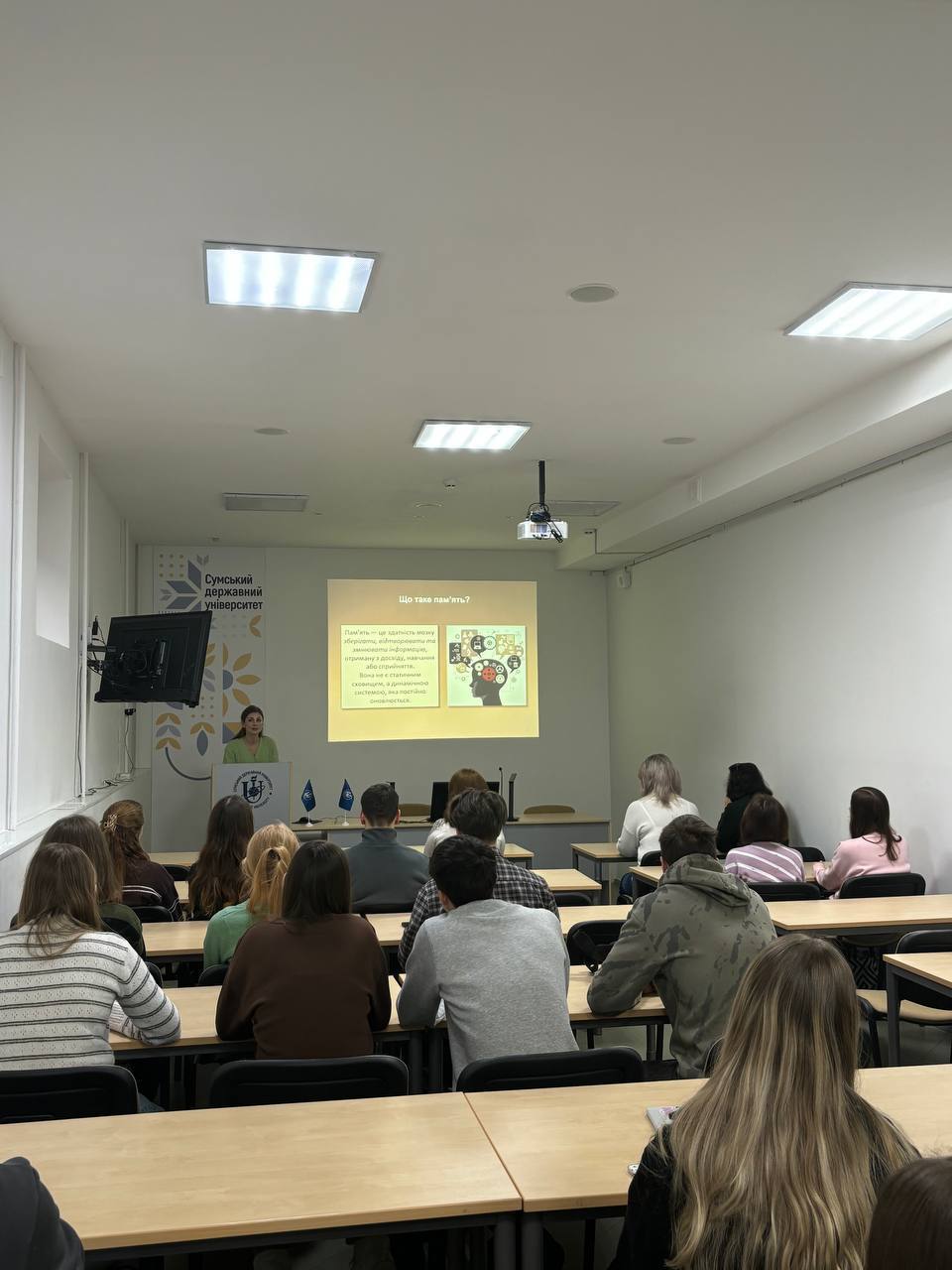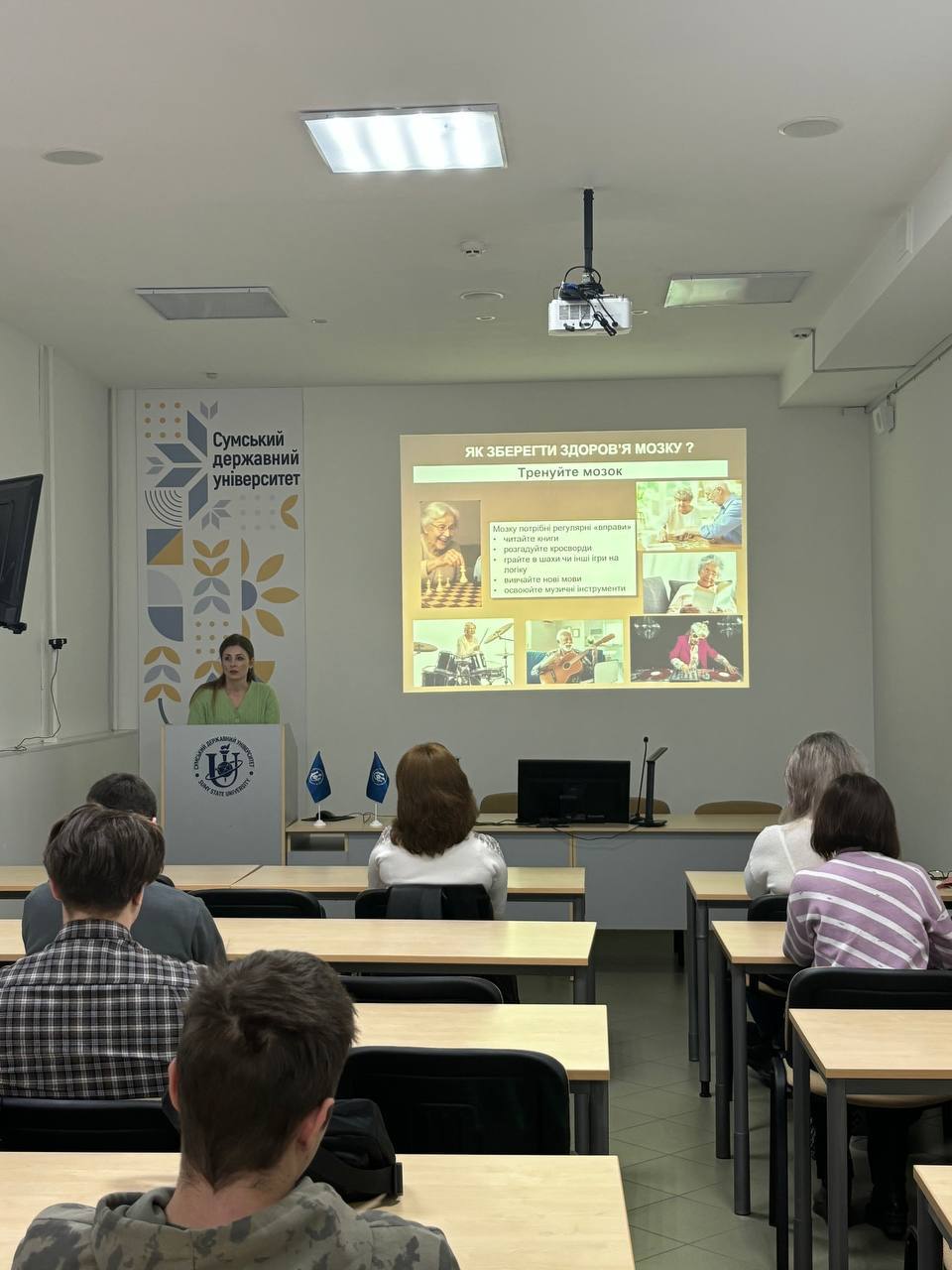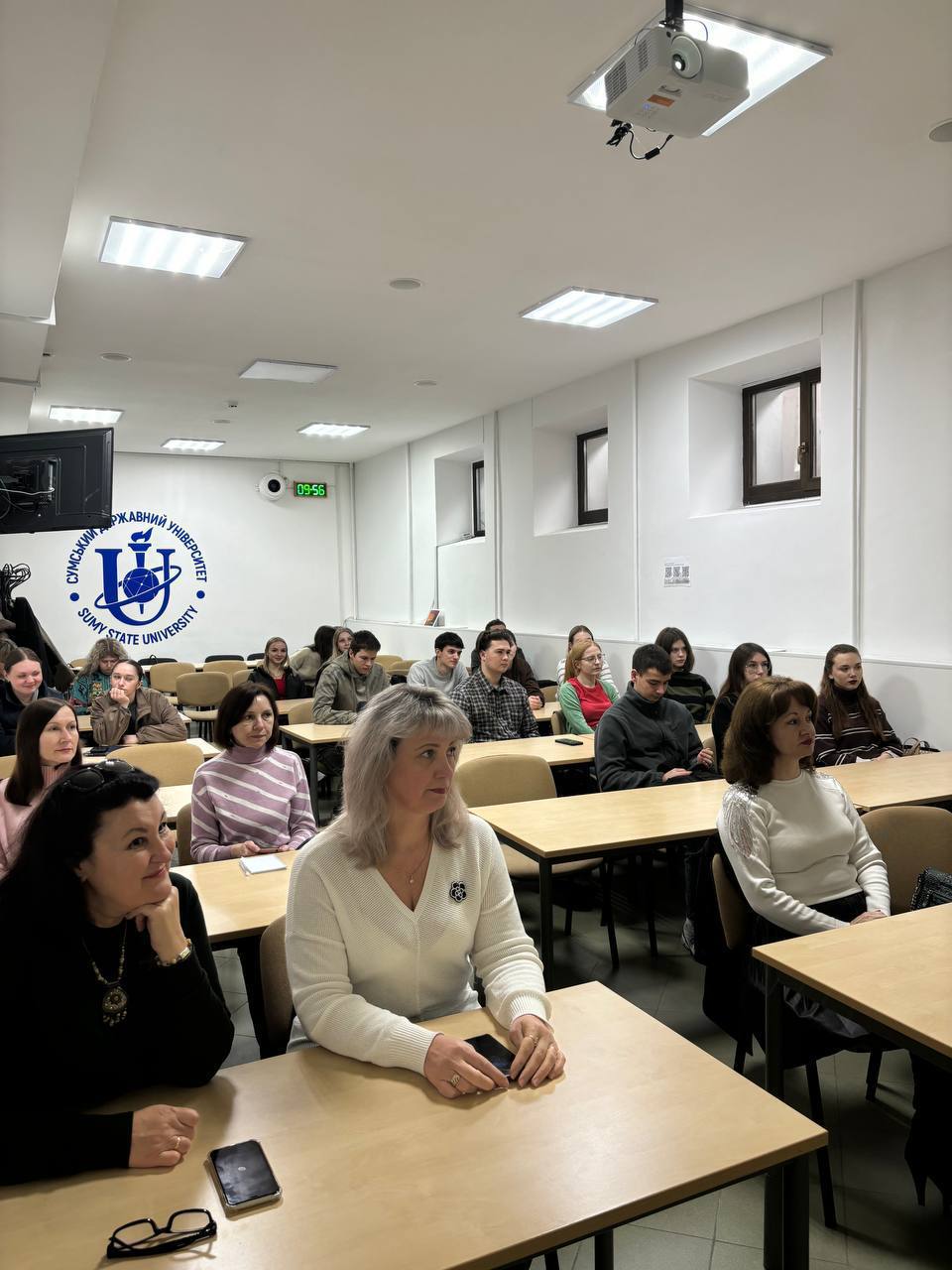
On March 17, a scientific and educational event was held at the Department of Physiology and Pathophysiology with a course in Medical Biology as part of the international initiative “Brain Awareness Week.” The meeting, titled “Why Do Memories Fade: What We Know About Alzheimer’s Disease,” was dedicated to one of the most pressing issues in modern medicine and neurobiology.
The aim of the event was to raise awareness among students, school pupils, university staff, and residents of the city of Sumy about current understanding of the mechanisms underlying Alzheimer’s disease, its clinical manifestations, approaches to diagnosis and prevention, and перспективи treatment. Special attention was given to preserving memory and improving patients’ quality of life. The event also contributed to the implementation of the United Nations Sustainable Development Goals, particularly “Good Health and Well-being,” highlighting the importance of combining scientific research with educational initiatives to build a healthier society.
During the event, participants had the opportunity to listen to a presentation, take part in discussions, and engage in interactive activities aimed at promoting knowledge about brain function, as well as the mechanisms of memory, attention, and cognitive development. The discussions focused on practical aspects of maintaining mental health and developing skills necessary for sustaining a high quality of life.
All attendees received useful advice on how to maintain brain health throughout life and learned about modern scientific approaches to the prevention of neurodegenerative diseases. They were also provided with practical recommendations that can be applied today to help preserve cognitive functions in the future. The friendly and open atmosphere made the event especially meaningful for all participants, while its outcomes proved both practically valuable and inspiring.